
Quick answer: To sell well in Greater Seattle in 2026, price your home from recent comparable sales (not peak-era values), fix inspection-type issues before listing, invest in staging and professional photos, and be ready to negotiate on terms such as seller credits. Inventory is up sharply. Seattle had about 16% more homes for sale in September 2026 than a year earlier, and Snohomish County about 36% more. Homes now average about 37 days on market, and buyers have more choices. Homes that launch at the right price and look their best still sell quickly and close to asking price.
What sellers are facing in 2026
- More competition. Seattle had 3,658 homes for sale in September 2026, and Snohomish County had 3,524.
- Longer sale times. Average market time is about 37 days in Seattle and Snohomish County, and about 53 days for Bellevue listings.
- Price cuts are common. About 25% of Seattle-metro listings had a price reduction in September 2026 (Realtor.com).
- Buyers ask for help. Sellers paid some of the buyer’s costs in about 48.5% of Seattle-area sales reported by Redfin agents in June through August 2026.
- Rates are high. The Freddie Mac 30-year average was 7.28% on October 1, 2026, which limits what buyers can afford.
None of this means you can’t sell for a strong price. It means preparation and pricing matter more than they did in 2021 and 2022.
Step 1: Price it right from day one
The first two weeks bring the most showings. Homes priced too high often sit, collect price cuts and sell for less than if they had started at the right number. In September 2026, Seattle homes sold for about 98.9% of their final list price but only about 97.1% of their original list price on average.
A good price strategy:
- Uses closed sales from the last 3 to 6 months in your neighborhood and school area.
- Adjusts for condition, updates, lot size, views and layout.
- Looks at active and pending competition, since buyers compare your home to those.
- Considers price bands that buyers search (for example $999,000 rather than $1,010,000).
Request a free home value analysis based on real local comparables.
Step 2: Prepare the home
- Consider a pre-listing inspection. Fixing or disclosing roof, drainage, electrical, plumbing and sewer issues upfront prevents surprises that derail deals later.
- Do high-return updates. Fresh neutral paint, new light fixtures, landscaping, pressure washing and minor repairs usually pay back more than major remodels.
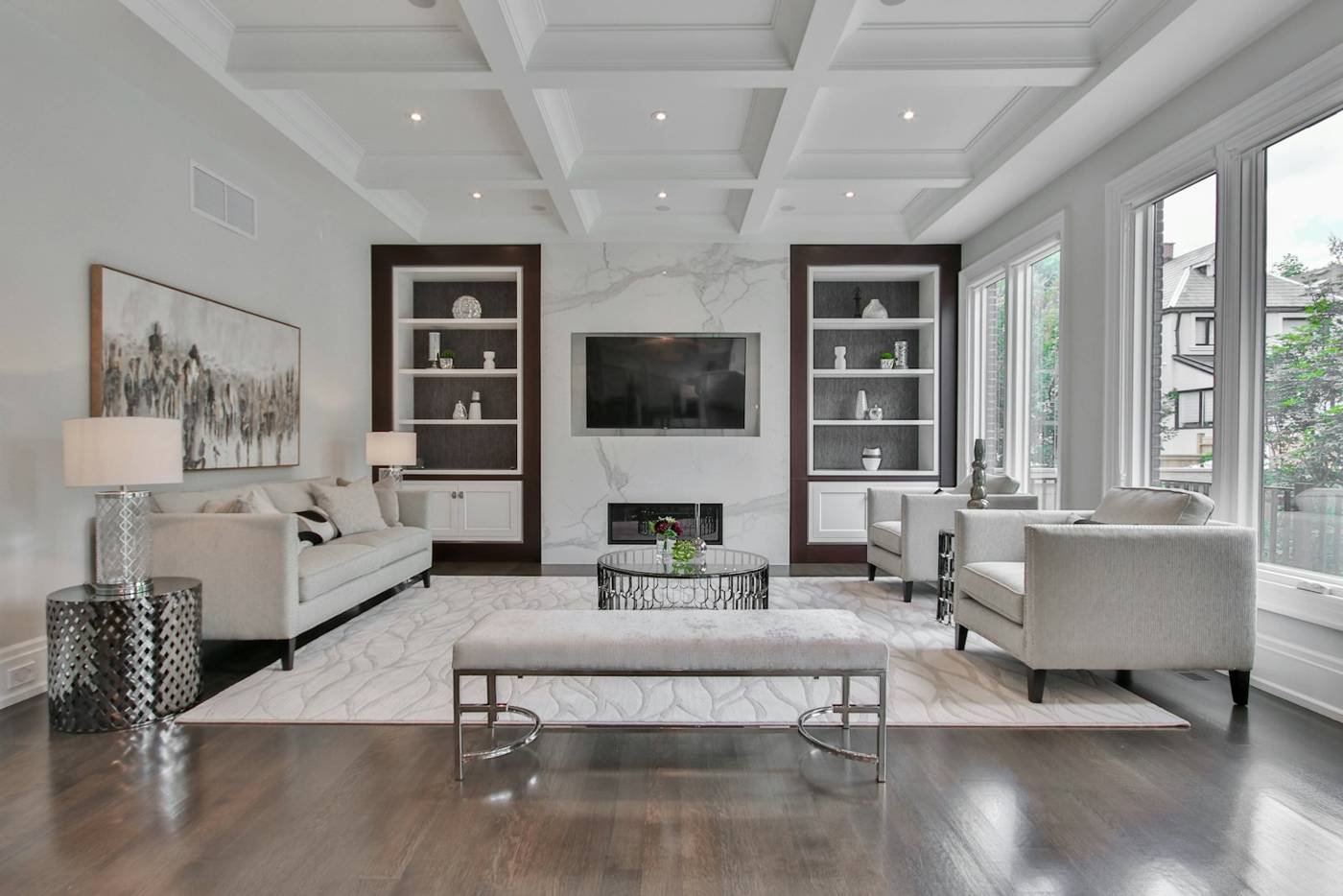
- Declutter and depersonalize. Remove extra furniture and personal items so rooms look larger.
- Stage key rooms. Living room, kitchen and primary bedroom matter most in photos.
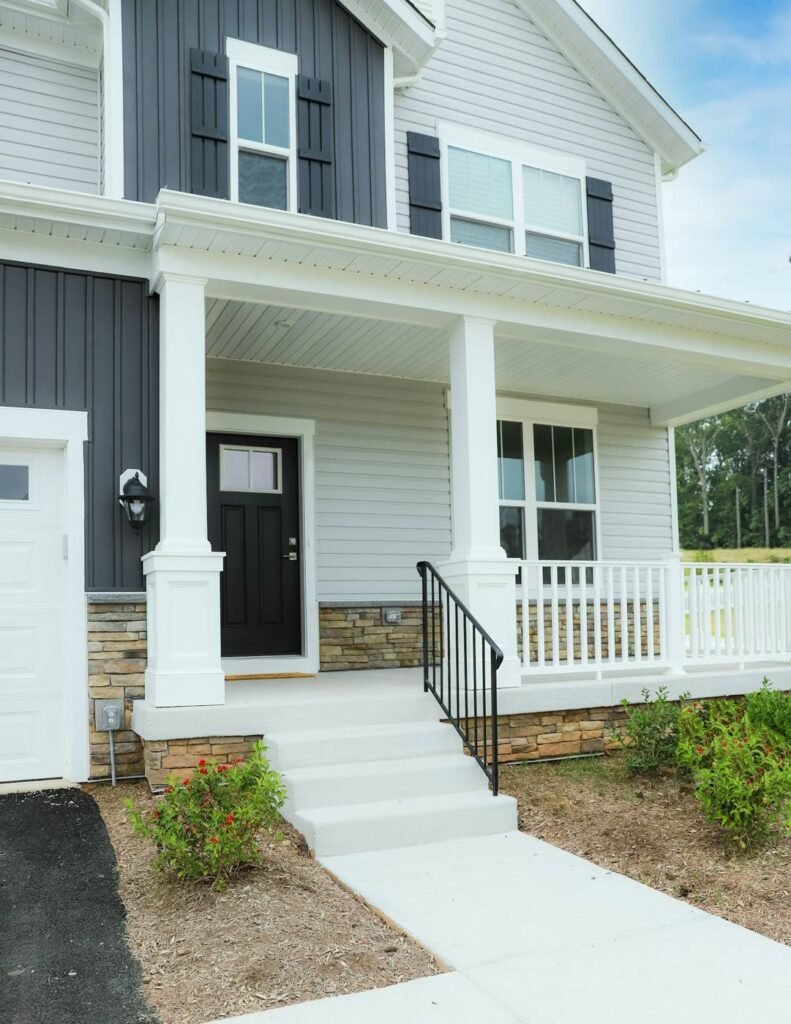
- Boost curb appeal. In the Pacific Northwest, clean moss off roofs and walkways, refresh beauty bark and add seasonal plants.
Step 3: Market it like it matters
- Professional photography, plus a floor plan and video or 3D tour.
- A listing description that highlights what local buyers search for: school district, commute, light rail, updates and outdoor space.
- Targeted digital marketing and social media, along with broker outreach.
- A strong launch: list on a Thursday, hold open houses on the first weekend, and set a clear plan for reviewing offers.
Step 4: Negotiate the whole offer, not just the price
In a balanced market, terms can be worth as much as price. Compare offers on:
- Net proceeds after any seller credits.
- Financing strength, such as the down payment, loan type and lender reputation.
- Contingencies, including inspection, financing, appraisal and sale of the buyer’s home.
- Timing, including closing date and any rent-back for you.
A seller credit toward a buyer’s rate buydown can sometimes win a stronger offer than an equal price cut, because it lowers the buyer’s monthly payment.
Step 5: Understand your selling costs in Washington
| Cost | Typical amount |
|---|---|
| Real estate commissions | Negotiable; agreed in your listing agreement |
| Washington real estate excise tax (REET) | Graduated state rate based on sale price, plus a local rate; customarily paid by the seller |
| Title insurance (owner’s policy) | Customarily paid by the seller |
| Escrow fees | Often split between buyer and seller |
| Seller credits, repairs and prep | Varies by home and negotiation |
Use the Washington Department of Revenue’s REET calculator and ask your agent for a net sheet before you list, so you know your likely proceeds at different prices.
Frequently asked questions
Is 2026 a good time to sell a house in Seattle?
Prices in King County are roughly flat year over year, so values remain near record levels. However, more competition means sellers need to price and prepare carefully. If you need to move, well-prepared homes are still selling in about a month on average.
How long does it take to sell a house in the Seattle area?
In September 2026, homes averaged about 37 days on market in Seattle and Snohomish County. Allow another 30 to 45 days to close after accepting an offer.
Who pays the real estate excise tax in Washington?
The seller customarily pays Washington’s real estate excise tax (REET). The state rate is graduated based on the sale price, and many cities add a local rate.
Should I make repairs before selling my house?
Fix safety issues and items a buyer’s inspector is likely to flag, such as roof, drainage, electrical and sewer problems. Small cosmetic updates like paint, lighting and landscaping usually give the best return. Big remodels rarely pay for themselves right before a sale.
Do I have to offer concessions to sell my home?
Not always, but concessions are common in 2026. Redfin reported seller help in about 48.5% of Seattle-area sales in mid-2026. A credit toward closing costs or a rate buydown can help your home stand out without a large price cut.
Thinking about selling?
Satish Chigullapally is a RealTrends Verified agent with Skyline Properties who helps sellers across Bellevue, Kirkland, Redmond, Bothell, Snohomish, Sammamish, Lynnwood and Seattle price strategically and negotiate with confidence. See the selling process, get your home value, or call (510) 456-5621.
This article is general information, not legal or tax advice. Market figures come from NWMLS, Realtor.com, Redfin and Freddie Mac as of October 2026.